Maputo, 20 October 2025 — Across several regions in Africa, new integrated development initiatives are making headway, combining government action, private sector participation, and multilateral support to tackle socio-economic challenges. These programmes aim to strengthen local economies, create jobs, and improve social services in communities that have faced prolonged hardship.
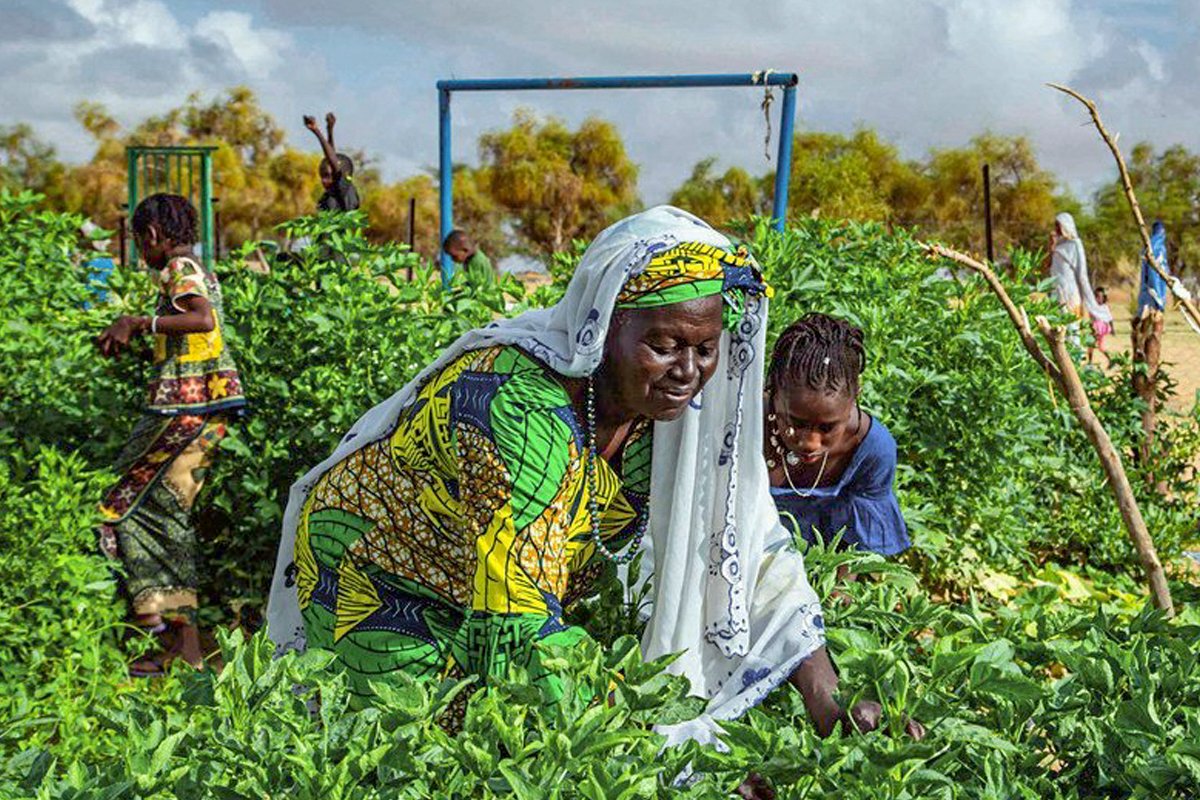
One such initiative focuses on northern Mozambique, where recent investments target agriculture, infrastructure, and community resilience. Through partnerships with international development banks and corporate actors, the projects are designed to generate immediate employment while laying the groundwork for long-term economic growth.
Private sector contributions are playing a key role. Companies in energy, logistics, and agribusiness are channeling funds into skills development, market access, and infrastructure improvements, ensuring that local producers can connect to larger supply chains. Complementing these efforts, targeted industrial planning and logistics corridor development are being explored to create sustainable employment and attract further investment.
Despite progress, challenges remain. Coordination across multiple stakeholders, timely fund disbursement, and the need for stable security environments are key factors that could affect project outcomes. Analysts stress that strong governance, local engagement, and strategic partnerships are crucial to turning these initiatives into measurable results.
If successful, these integrated development efforts could provide a blueprint for similar programmes across Africa, demonstrating how collaboration between governments, multilateral organisations, and private partners can drive sustainable growth and improved quality of life in vulnerable regions.