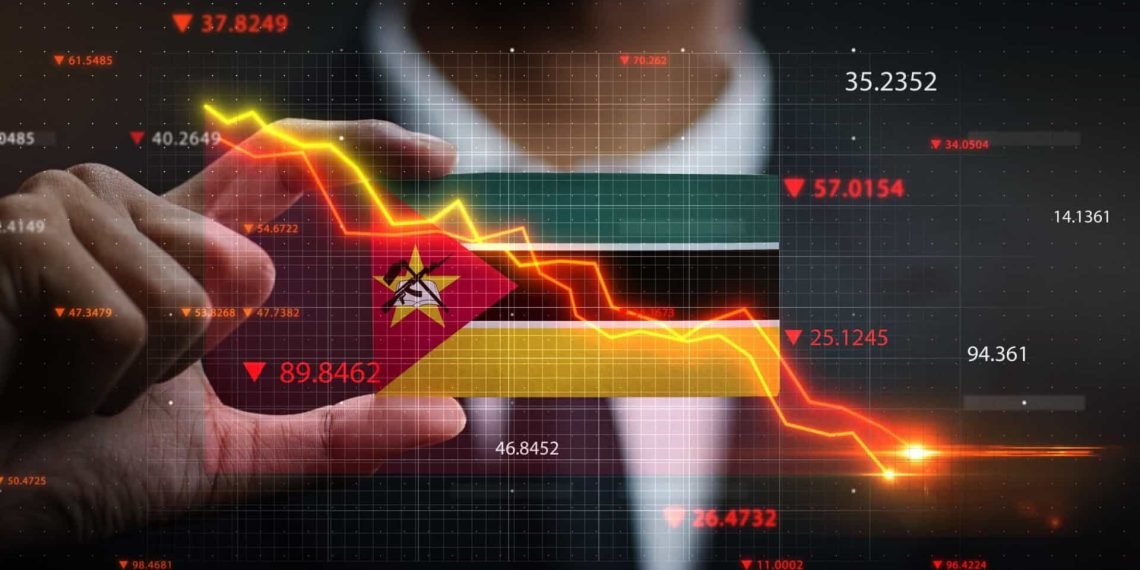
Mozambique Exits FATF Grey List Article Sections What is the FATF Grey List Positive Signal for Investors Why Mozambique Exited the List Strategic Perspective Conclusion Mozambique Exits FATF Grey List: A New Horizon for Investors MAPUTO, 26 OCTOBER 2025 Maputo, October 26, 2025 — Mozambique has just written an important chapter in its economic history: it has officially been removed from the Financial Action Task Force (FATF) grey list, after three years of intense monitoring. For some, this is a technical detail; for investors and international operators, it is a clear signal of the credibility and reliability of Mozambique’s financial system. What It Means to Be on the FATF Grey List The FATF maintains a grey list for countries that exhibit strategic deficiencies in preventing money laundering and terrorist financing. Being on this list does not mean total isolation, but it does translate into heightened international scrutiny, higher perceived risk, and more challenges accessing credit lines and international financial partners. Between 2022 and 2025, Mozambique was under this scrutiny, implementing 26 strategic measures, ranging from stronger banking supervision to transparency in non-profit organizations, as well as improved institutional cooperation. Positive Signal for Investors Exiting the grey list sends a strong market signal: Reduced country risk: international banks and investors now perceive Mozambique as safer and more predictable; Improved attractiveness for Foreign Direct Investment (FDI); Facilitated international financial transactions; Better access to multilateral financing and lower borrowing costs. Why Mozambique Exited the List The government implemented robust, measurable reforms including strengthening the Financial Intelligence Unit (GIFiM), banking supervision, institutional cooperation and oversight of at-risk entities like NGOs. Strategic Perspective: What Investors Should Consider Leaving the grey list represents a moment of opportunity for those seeking early entry into a stable and expanding market backed by institutional reforms. Conclusion Mozambique proves that with strategy, discipline, and institutional cooperation, global credibility can be regained. Investors now see a reliable partner and a market with strong growth potential. Comments (0) Post Comment

Mozambique: The Best Sustainable Destination of 2025 and a New Frontier for Responsible Investment
Mozambique: Best Sustainable Destination 2025 | ABDIA Blog ARTICLE TOPICS Introduction Economic & Strategic Value Investment Strengths Purpose-driven Growth Africa’s Opportunity Conclusion Mozambique: The Best Sustainable Destination of 2025 and a New Frontier for Responsible Investment MAPUTO, 2025 — BRUSSELS AWARD ANNOUNCEMENT Mozambique has been awarded “Best Sustainable Destination” at the World Tourism Awards 2025 in Brussels, placing the country at the center of global recognition as a model of sustainable development and responsible investment. This achievement reflects growing confidence in Mozambique as a destination where economic growth aligns with environmental preservation and social inclusion. A recognition with economic and strategic value The international award strengthens Mozambique’s positioning as a market aligned with global ESG investment trends. This recognition opens the door to: Infrastructure modernization and eco-cities Clean energy & green transition Eco-tourism and hospitality development Conservation and climate protection programs Community-based entrepreneurship Investment Strengths Mozambique combines high-value sustainable assets: Protected natural biodiversity Community participation and fair benefit distribution Growing private-sector investment in eco-infrastructure Stability and market-friendly policies Sustainability is now a competitive market advantage — and Mozambique leads in authenticity and long-term value creation. A country ready for purpose-driven investment Tourism is driving a multiplier effect — strengthening local value chains, generating jobs, and attracting investment in technology, transportation and services. Africa’s opportunity, Mozambique’s moment Mozambique stands out for its natural capital, its youthful population and its strategic position in regional trade. Conclusion This award is a global vote of trust. For investors, it signals that Mozambique is ready to scale sustainable development — with economic return and social impact walking side by side. Comments (0) Post Comment
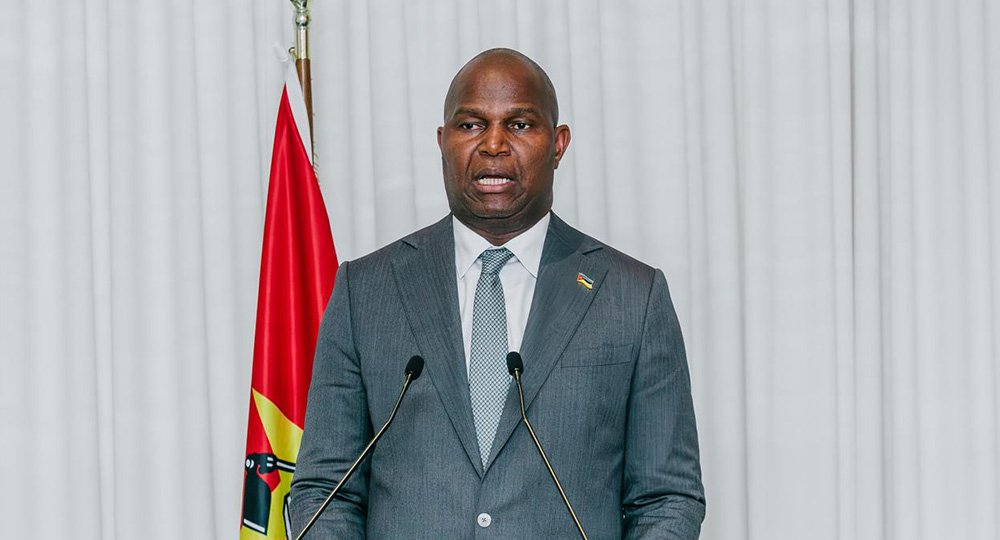
President Daniel Chapo Invites Global Investors to Tap Mozambique’s Untapped Potential
President Daniel Chapo Invites Global Investors to Mozambique President Daniel Chapo Invites Global Investors to Mozambique Article Sections Introduction Personal Invitation Why Mozambique Now Priority Sectors President’s Vision Conclusion President Daniel Chapo Invites Global Investors to Tap Mozambique’s Untapped Potential MAPUTO, 26 OCTOBER 2025 Introduction Under the leadership of President Daniel Chapo, Mozambique is sending a strong signal to the global investment community: the country is open for business and ready to welcome investors looking for high-growth opportunities in Southern Africa. With abundant natural resources, strategic location, and a government committed to economic reform, Mozambique is positioning itself as one of Africa’s most promising emerging markets. President Chapo’s message is clear: international investors are invited to play a central role in shaping the country’s economic future. A Personal Invitation from President Chapo During recent visits to major international business hubs, including New York, London, and regional capitals like Lusaka and Algiers, President Chapo personally met with top investors and business leaders. “Mozambique offers unique opportunities in energy, infrastructure, agriculture, and tourism. We welcome global partners to invest, grow, and innovate with us,” said President Chapo in a keynote address to international business executives. This direct engagement signals Mozambique’s proactive approach to attracting foreign investment and highlights the government’s willingness to create a transparent, business-friendly environment. Why Mozambique Now? Abundant Natural Resources: Rich in natural gas, minerals, and fertile agricultural land, offering high-return opportunities in energy and agribusiness. Strategic Location: Located on Africa’s southeastern coast, serving as a gateway to Southern African markets. Infrastructure Development: Projects like the Nacala Corridor expansion and renewable energy initiatives are transforming Mozambique into a regional trade hub. Government Incentives: Tax incentives, streamlined licensing, and policy frameworks designed to facilitate investment. Priority Sectors for Investment Energy Mozambique is emerging as a regional energy leader, with major liquefied natural gas (LNG) projects and potential hydroelectric expansions. Opportunities exist in both upstream and downstream energy sectors. Agriculture With fertile soil and ample water resources, Mozambique is investing in modern agriculture, export-oriented crops, and value-chain development. Investors can participate in agribusiness, agro-processing, and supply chain initiatives. Infrastructure The government prioritizes roads, railways, ports, and urban infrastructure. Strategic investments in transport and logistics are essential for regional trade and export growth. Tourism Mozambique’s natural beauty, beaches, and wildlife create high-potential tourism and hospitality investment opportunities, from eco-lodges to integrated resorts. President Chapo’s Vision: Partnership and Growth Mozambique’s invitation to investors goes beyond capital — it is about strategic partnerships. President Chapo emphasizes collaboration with global leaders, leveraging technology, expertise, and innovation to accelerate Mozambique’s development. “We are not just asking for investment; we are inviting partners to build a shared future where growth is sustainable, inclusive, and mutually beneficial,” he stated during a regional investment forum. Conclusion Mozambique stands at a transformational moment. With strong leadership, policy reforms, and untapped natural potential, the country offers rare investment opportunities for those ready to engage in Africa’s emerging markets. President Daniel Chapo’s message is unmistakable: the doors are open, and the potential is immense. Global investors are invited to join Mozambique on its growth journey. Comments (0) Post Comment
African Integrated Development Initiatives
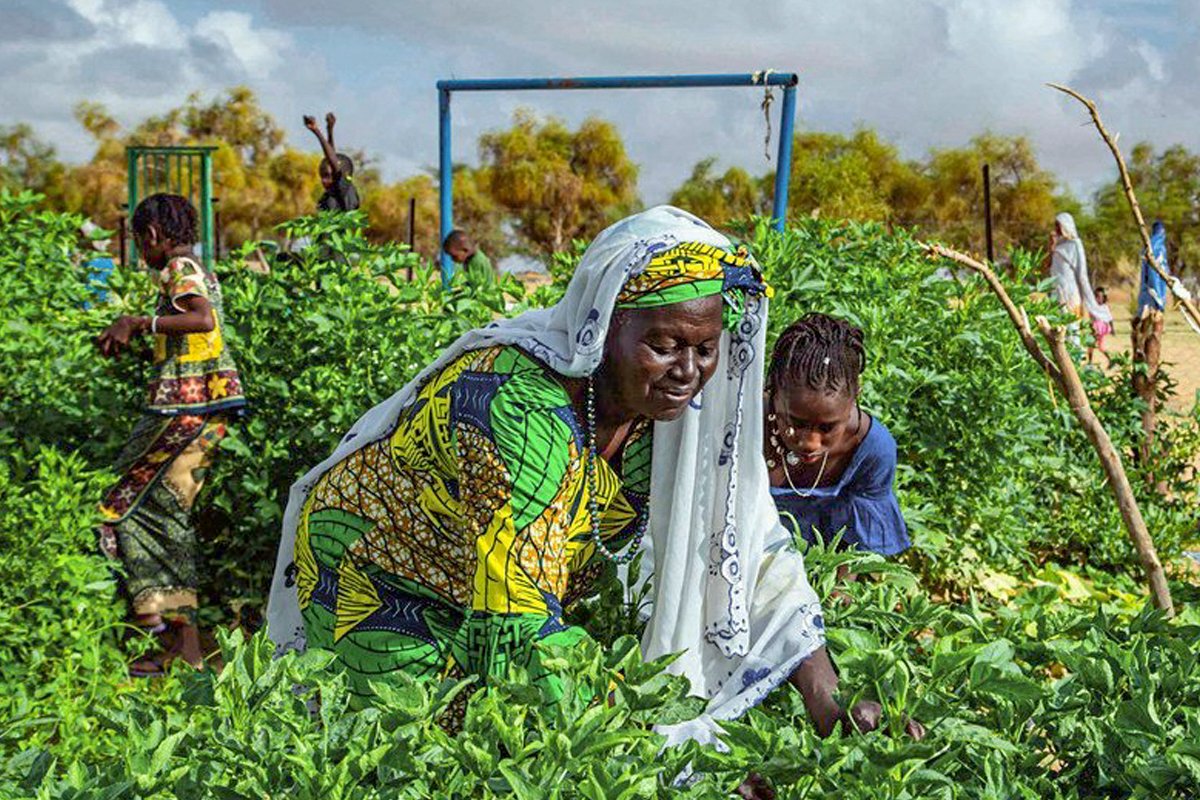
Maputo, 20 October 2025 — Across several regions in Africa, new integrated development initiatives are making headway, combining government action, private sector participation, and multilateral support to tackle socio-economic challenges. These programmes aim to strengthen local economies, create jobs, and improve social services in communities that have faced prolonged hardship. One such initiative focuses on northern Mozambique, where recent investments target agriculture, infrastructure, and community resilience. Through partnerships with international development banks and corporate actors, the projects are designed to generate immediate employment while laying the groundwork for long-term economic growth. Private sector contributions are playing a key role. Companies in energy, logistics, and agribusiness are channeling funds into skills development, market access, and infrastructure improvements, ensuring that local producers can connect to larger supply chains. Complementing these efforts, targeted industrial planning and logistics corridor development are being explored to create sustainable employment and attract further investment. Despite progress, challenges remain. Coordination across multiple stakeholders, timely fund disbursement, and the need for stable security environments are key factors that could affect project outcomes. Analysts stress that strong governance, local engagement, and strategic partnerships are crucial to turning these initiatives into measurable results. If successful, these integrated development efforts could provide a blueprint for similar programmes across Africa, demonstrating how collaboration between governments, multilateral organisations, and private partners can drive sustainable growth and improved quality of life in vulnerable regions.